Dear Parents and Carers,
As Term 1 draws to a close, we would like to share an overview of the engaging learning experiences across our English and Humanities classrooms. Each year level has been exploring rich, thoughtprovoking texts that build critical thinking, empathy, and analytical skills aligned with the Victorian Curriculum and VCE requirements.
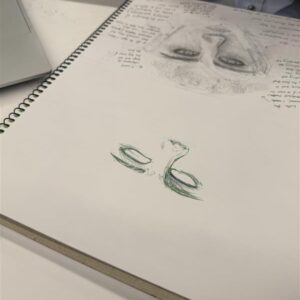
Our VCE English students have been focusing on crafting personal responses to the visual text Nosedive. This unit encourages students to move beyond surface-level interpretation and develop nuanced, individual insights into themes such as social conformity, identity, and the impact of technology. This approach is essential preparation for VCE assessment, where students must demonstrate independent thinking and the ability to support personal interpretations with evidence. In Area of Study 2, students will be exploring how texts present and challenge ideas around the theme of Beauty. This area of study focuses on developing students’ ability to form personal, thoughtful interpretations and support these with evidence. Students will examine how beauty is portrayed across a range of texts, including visual and written forms. They will consider how ideas of beauty are shaped by culture, context, media, and personal perspectives. Students will investigate how writers and filmmakers use language, structure, and stylistic features to construct views of beauty. This includes analysing techniques such as imagery, symbolism, tone, and characterisation. A key focus of this area of study is encouraging students to develop their own interpretations. Students will reflect on their own views of beauty and compare these with the perspectives presented in texts. Students will connect ideas about beauty to contemporary society, including the influence of social media, advertising, and cultural expectations. This helps students understand the relevance of texts to real-world issues. This unit supports students in becoming thoughtful, critical readers and communicators, while also encouraging reflection on important social and personal ideas.
In VCE Literature, students have been exploring Area of Study 1: Reading Practices, where they develop the skills to engage deeply with texts, considering multiple interpretations and the ways meaning is shaped by language, context, and perspective. This foundational work strengthens students’ ability to think critically and respond thoughtfully to literature. In Term 2, students will move into Area of Study 2: Exploration of Literary Movements and Genres, where they will examine how texts are shaped by their historical and cultural contexts. This enables students to see connections between texts and ideas across time, while refining their analytical and comparative skills—essential for success in VCE Literature.
Year 10 students have been studying the classic film Twelve Angry Men, examining how dialogue, characterisation, and setting shape meaning. This text provides an excellent foundation for understanding persuasive language, bias, and the justice system, while also preparing students for the analytical demands of senior English. In Year 9, students have explored The Hate U Give, a powerful text that addresses themes of racism, identity, and social justice. This study supports students in developing critical literacy skills and encourages them to engage with contemporary issues, fostering empathy and informed perspectives. Year 8 students have enjoyed studying Hunt for the Wilderpeople, focusing on character development, humour, and themes of belonging and family. This text helps students build their understanding of narrative structure while also exploring how filmmakers use visual and language techniques to create meaning. Our Year 7 students have been working with Inside Out to develop foundational skills in analysing character, theme, and emotional journeys. This engaging and accessible text supports students in building confidence as they transition into secondary English, while also promoting emotional literacy and self-awareness. Across all year levels, these texts have been carefully selected to ensure students are both challenged and supported, while developing the analytical, creative, and reflective skills necessary for future learning.


In Year 7, students have explored the deep history of Ancient Australia, including the rich cultures and knowledge systems of Aboriginal and Torres Strait Islander Peoples. This unit builds respect for the world’s oldest continuing cultures and develops historical inquiry skills. In Term 2, students will transition to Ancient Egypt, allowing them to compare civilisations and understand how geography, belief systems, and social structures shape societies. Year 8 students have investigated the Viking world within Europe and the Mediterranean, examining exploration, trade, and cultural interactions. This unit strengthens understanding of movement, conflict, and cultural exchange. In Term 2, students will move into Geography, applying their inquiry skills to explore physical and human environments. Students in Year 9 have studied the development of Australia from colonisation to Federation, analysing key events, perspectives, and impacts on different groups. This provides essential context for national identity and historical change. In Term 2, the focus shifts to Australia at War (1914–1938), helping students understand the causes and consequences of global conflict and Australia’s role within it. Year 9 Students have had the opportunity to explore the Australian economy and Australia as a trading nation through the “Like a Boss” (Economics) unit content. These subject builds financial literacy, and an understanding of how economic decisions impact individuals, businesses, and society. Year 10 students have examined Australia’s involvement in World War II, developing skills in analysing sources and understanding the impacts of war on society. In Term 2, students will explore Rights and Freedoms, alongside Pop Culture, enabling them to connect historical movements to contemporary social change. Moving into Year 10, students have investigated environmental change and management, building awareness of sustainability challenges and human impact on the environment. In Term 2, the focus will shift to Geographies of Human Wellbeing, examining global inequalities and quality of life. In Year 10 Legal studies and Accounting students have developed an understanding of the Australian legal system, including key principles and structures. This builds civic understanding and critical thinking about justice. In Term 2, students will move into Economics and Accounting, strengthening financial and analytical skills. Through the study of Political Systems, Year 10 students have explored different forms of government and political revolutions, gaining insight into how political systems develop and change. In Term 2, they will focus on Australia’s relationships with its regional neighbours, building global awareness.
Students who are studying VCE Modern History have been examining Area of Study 1: Ideology and Conflict, analysing the causes and impacts of major global conflicts. This provides a strong foundation for historical argument and source analysis. In Term 2, students will move into Social and Cultural Change, exploring how societies transform over time. VCE Students engaging in Business Management, have been focusing on Unit 1: Planning a Business (business ideas and internal environments) and Unit 3: Managing a Business (business foundations). These studies build practical understanding of how businesses operate and make decisions. In Term 2, students will focus on Human Resource Management and Operations Management, key areas for business success. In VCE Sociology – Youth and Family, students have explored the category and experience of youth, analysing how young people are shaped by social factors. In Term 2, the focus will shift to the family, examining its role and diversity within society. For VCE Geography, Unit 1, Hazards and Disasters, students have investigated the characteristics of hazards and disasters, developing an understanding of risk and impact. In Term 2, they will examine responses to hazards, including management and mitigation strategies. In VCE Accounting, Unit 1, students have studied the role of accounting in business, building foundational financial literacy. In Term 2, they will focus on recording financial data and reporting for a service business, developing practical accounting skills. Students studying VCE Legal Studies – Unit 1, have explored legal foundations, including the presumption of innocence. This unit supports critical understanding of justice and fairness. In Term 2, students will examine how guilt is proven, deepening their understanding of the legal process. Across all Humanities subjects, our aim is to support students in becoming informed, critical, and engaged citizens. We look forward to continuing this important learning in Term 2.
We value the important role families play in supporting students’ learning in English and Humanities. We suggest some practical ways you can help your child continue to build their skills in reading, writing, and critical thinking at home. Reading widely is one of the most effective ways to improve vocabulary, comprehension, and writing skills. Encourage your child to read a variety of texts, including novels, articles, and non-fiction, and discuss what they are reading. Engaging in conversations about books, films, or media your child is studying helps deepen their understanding. Ask questions such as: What message is the text conveying? Why did a character act this way? or How does this relate to the real world? Encourage your child to write regularly, whether through journaling, creative writing, or drafting responses to texts studied in class. Supporting them to plan, draft, and edit their work helps build confidence and skill. Discuss new or unfamiliar words your child encounters and encourage them to use these words in their own speaking and writing. Support your child in forming and expressing their own opinions about texts and issues. Remind them to justify their ideas with reasons and evidence. Establishing a consistent homework routine and a quiet space for study helps students stay organised and focused. Encourage your child to reflect on teacher feedback and set small, achievable goals for improvement. Discuss how themes in texts relate to current events or personal experiences. This helps make learning more meaningful and engaging. In anticipation of the commencement of term two, it is highly recommendable to encourage your students to read in full over the break the texts they will be focusing on and analysing in class for English:
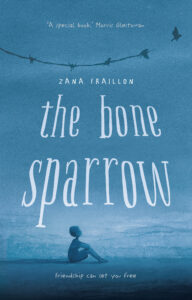
- Year 7 – The Bone Sparrow (Zana Fraillon) Studying The Bone Sparrow helps students develop empathy and global awareness by exploring the experiences of refugees and displacement. It strengthens comprehension and analytical skills through rich language and symbolism, while encouraging students to reflect on belonging, identity, and human rights. The novel also builds emotional literacy and supports meaningful discussions about fairness, resilience, and compassion.
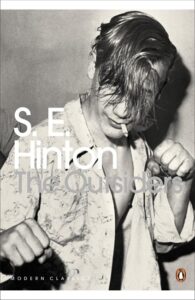
- Year 8 – The Outsiders (SE Hinton) The Outsiders supports students in understanding themes of identity, belonging, and social division. Through engaging characters and conflict, students develop analytical and inferential skills while exploring how context shapes perspectives. The text encourages empathy and critical thinking about stereotypes and relationships, while strengthening students’ ability to analyse characterisation, narrative voice, and author purpose.
- Year 9 – The F Team (Rawah Arja) Studying The F Team engages students with contemporary issues such as racism, identity, and social justice. It promotes critical thinking and discussion around diverse perspectives while strengthening analytical and persuasive skills. The text encourages students to challenge assumptions, build empathy, and connect literature to real-world contexts, supporting deeper understanding and confident expression of ideas.
- Year 10 – students will be analysing various persuasive texts focusing on current events and developing their capacity to effectively compose their own. Encourage your child to engage with a variety of persuasive texts in everyday life, such as opinion articles, advertisements, speeches, and social media campaigns. Discuss the purpose, audience, and techniques used to influence opinions. Ask questions about bias and evidence and encourage them to form and justify their own viewpoints. Exposure to realworld examples helps students recognise persuasive strategies and strengthens their critical thinking and writing skills.


By working together, we can support students in becoming confident, thoughtful, and capable communicators.
Tania de Baize
Learning Specialist Literacy Growth & Enhancement | English | Humanities.